Photography to Conserve Endangered Cultures: Contributions of Tewfic El-Sawy
Keywords:
Heritage Informatics, Photography, Documentation, Endangered Cultures, Travel Photography, Street PhotographyAbstract
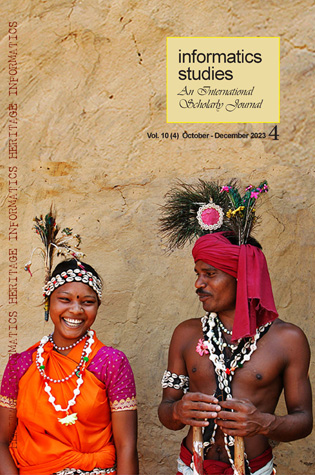
Tewfic El-Sawy is known worldwide for his photographic documentation. He specializes in travel and photographing endangered cultures around that are at risk of disappearing due to various factors such as globalization, modernization, environmental changes, and socio-political influences. His photographic projects involve extensive travel to remote or lesser-known regions, where he immerses himself in the communities to authentically capture their traditions, rituals, daily life, and unique cultural practices. His aim is to create a visual narrative that raises awareness about these endangered cultures, their heritage, and the challenges they face in preserving their identity.References
Akerstrom, Lola Akinmade (2010). Travel Photographer Interviews: Tewfic El-Sawy. https://matadornetwork.com/notebook/travel-photographer-interviews-tewfic-el-
El-Sawy, Tewfic (2010). Darshan. New York, Blurb Incorporated. (A collection of black & white photographs from my travels to India over a span of no less than 10 years. Street photography of Old Delhi, portraits of Sufis at the Dargahs, Theyyam rituals of Malabar, Rajasthani nomads, Gujarati tribals, widows in Vrindavan and sadhus in Varanasi, as well as pilgrims at the Maha Kumbh Mela.
El-Sawy, Tewfic (2016). Hau Dong: The Spirit Mediums of Vietnam. New York, Blurb Incorporated.
El-Sawy, Tewfic (2020). Soho Street Art. New York, Blurb Incorporated.
El-Sawy, Tewfic (2023), Adivasis of Chathisgarh, In The Travel Photographer. https://telsawy.tripod.com/Adivasis/index.html
El-Sawy, Tewfic (2023). The Travel Photographer. https://thetravelphotographer.blogspot.com/
Robinson, James (2009). Spotlighting Contemporary Photographic Talent. An Interview with Tewfic El Sawy. https://jrphoto.wordpress.com/spotlight-interview-photographer-tewfic-el-sawy/
Published
Issue
Section
License
Submission of a manuscript to IS indicates that the work is original, has not been previously published (except as an abstract, lecture, or thesis), and is not under consideration by another journal. By submitting, authors affirm that their manuscript meets the journal’s ethical and editorial standards and that they agree to the terms of copyright and licensing upon acceptance.
Once accepted for publication, authors grant IS the first publication rights to the work. However, authors retain full copyright of their content and remain the legal owners of their intellectual property.
IS provides open access to all published articles six months after the release of the respective volume. Once the embargo period concludes, articles are made freely available under the Creative Commons Attribution (CC BY) License (https://creativecommons.org/licenses/by/4.0/). This license allows users to share, adapt, and reuse the work in any medium or format provided that appropriate credit is given to the original authors and the initial publication in this journal.
The journal's delayed open access model supports global knowledge dissemination, ensuring that research is accessible without financial or legal barriers. Authors are also encouraged to archive their published articles in institutional repositories, personal websites, or other platforms, with full citation of the journal version. Pre-print versions posted online should include a citation and link to the final published version in IS as soon as the issue is available; post-print versions (including the final publisher's PDF) should include a citation and link to the journal's website.
All materials published in the IS website are distributed under a Creative Commons Attribution license, unless otherwise noted.